
Post-Accident TMJ & Jaw Trauma Evaluation in Rochester, MI
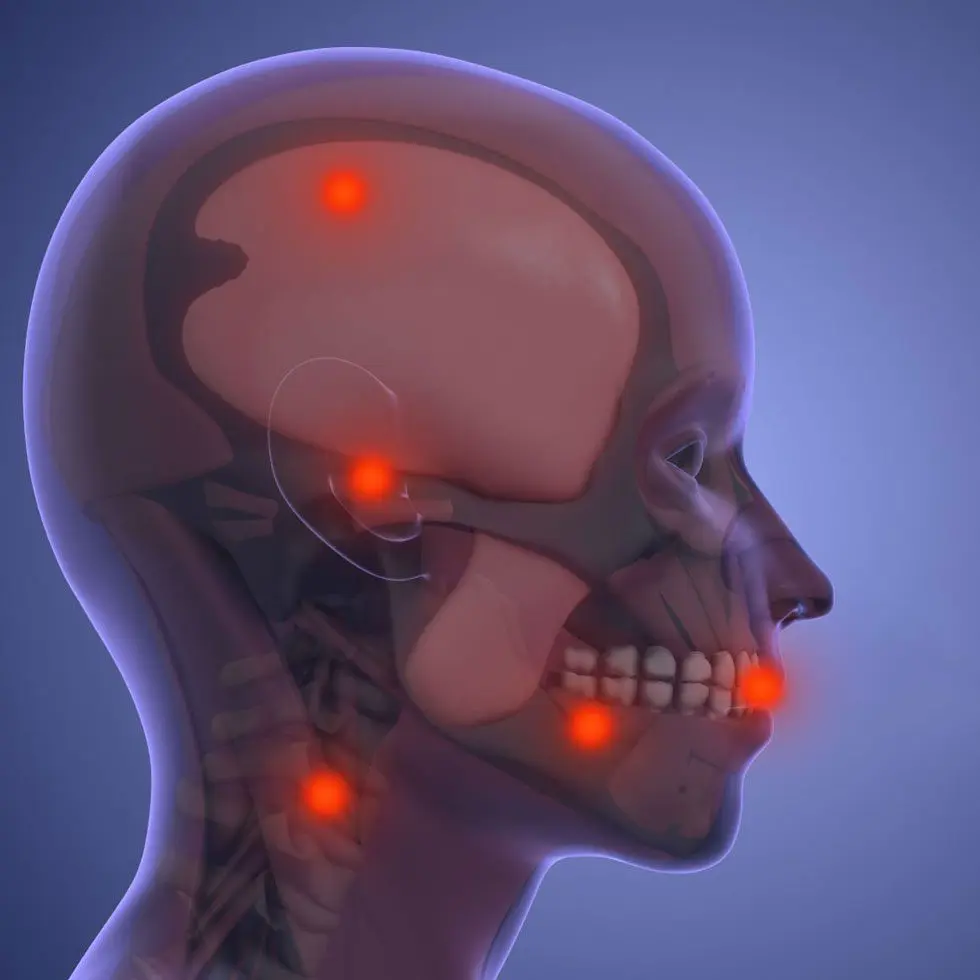
A blow to the head, face, or neck can do more than leave a bruise. Accidents, falls, and sports injuries often damage the temporomandibular joint (TMJ), the hinge that connects your jaw to your skull. The result can be jaw pain, headaches, clicking, or a jaw that won't open the way it used to. At Daia Orthodontics & TMJ Orthopedics, we evaluate and treat jaw injuries that follow trauma, so you can eat, speak, and sleep comfortably again.
If you've been in a car accident or suffered any impact to your face or jaw, getting evaluated early makes a real difference. Acute jaw injuries that go untreated can turn into chronic pain that's harder to resolve.
How Accidents and Trauma Injure the Jaw
Your TMJ is one of the most-used and most complex joints in your body, and it's surprisingly vulnerable to sudden force. Several types of trauma can set off TMJ problems.
- Whiplash from a car accident. When your head snaps forward and back in a collision, the force travels through your jaw joint, not just your neck. Rear-end crashes are a common culprit.
- Direct impact. Hitting a steering wheel, dashboard, airbag, or the ground during a fall or sports injury can bruise, strain, dislocate, or fracture the joint.
- Clenching on impact. Many people instinctively clench their teeth in the split second before a crash, which strains the muscles and joint.
- Disc displacement. The small cushion of cartilage inside the joint can shift out of place, limiting how far you can open your mouth.
Any of these can lead to muscle strain, ligament injury, joint inflammation, or a full temporomandibular joint disorder (TMD).
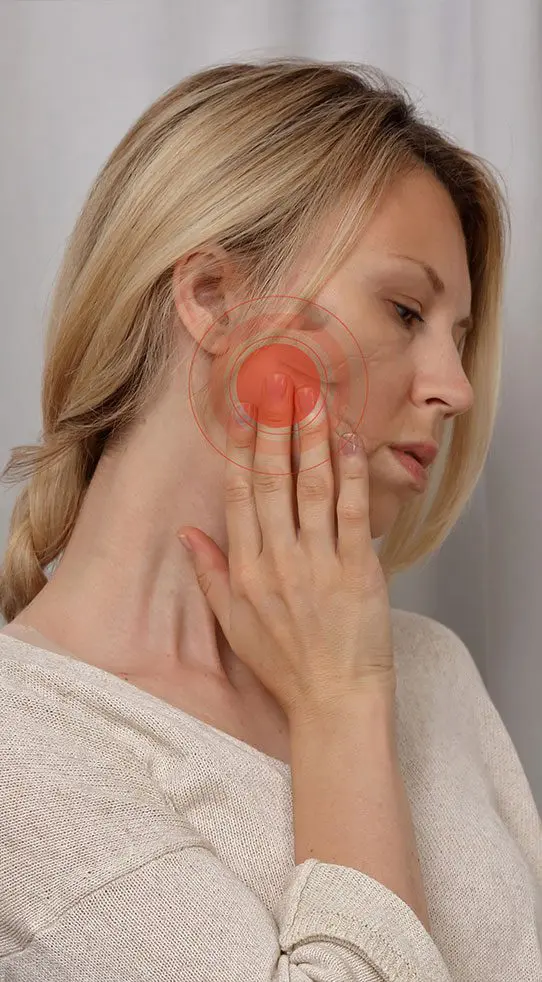
Symptoms of a Post-Accident Jaw Injury
Symptoms range from mild and annoying to genuinely disruptive. After trauma to the head, face, or neck, watch for:
- Jaw pain or tenderness, especially when chewing or speaking
- Difficulty opening your mouth fully, or a jaw that locks
- Clicking, popping, or grinding sounds when you move your jaw
- Headaches, earaches, or ringing in the ears
- Stiffness or soreness in the face, neck, or shoulders
- Dizziness or a feeling of fullness in the ears
How We Evaluate Jaw Trauma
A thorough evaluation is the foundation of effective treatment. When you come in, we take time to understand what happened and how your jaw is functioning now. A typical evaluation includes a detailed history of your injury and symptoms, a hands-on exam of your jaw, muscles, and bite, and an assessment of your range of motion and joint sounds.
When we need a closer look at the soft tissue or disc inside the joint, we'll recommend the appropriate imaging. From there, we build a treatment plan around your specific injury rather than a one-size-fits-all approach.
Treatment Options for Post-Accident TMJ
The right treatment depends on what's injured and how severe it is. Most patients improve with conservative, non-surgical care. Your plan may include:
Custom TMJ orthotics or bite splints to take pressure off the joint and let it heal
Physical therapy and targeted jaw exercises to restore movement and reduce muscle tension
Bite adjustment and orthodontic treatment when a misaligned bite is contributing to the strain
Pain and inflammation management alongside rest and a temporary soft-food diet
Referral for surgical evaluation in the uncommon cases that need it
Our goal is always the most comfortable, least invasive path that gets your jaw working normally again.

Dr. Hadi Daia, DDS, MS, FRCD (C): Board-Certified Orthodontist in Rochester Hills, MI
Post-accident jaw injuries are complex, and they're easy to mismanage. Daia Orthodontics & TMJ Orthopedics focuses specifically on the jaw joint and orofacial pain. Dr. Hadi Daia, a board-certified Metro Detroit orthodontist and author of Low Level Laser Therapy for Management of Temporomandibular Disorders (2011), has built his practice on the commitment to providing every patient with state-of-the-art treatments personalized to their goals, with effective results that last.
TMJ/TMD Specialization
After receiving his Doctorate of Dental Surgery from Damascus University, Dr. Daia went on to complete two residencies at University of Buffalo. The first of these residencies focused on Temporomandibular Joint Disorder (TMD) and Orofacial Pain studies with a concentration in headaches and migraines, and earned him a Master of Oral Sciences. Since expanding his expertise, Dr. Daia has been granted a diplomate status with the American Board of Orthodontics and the American Board of Orofacial Pain, and a fellowship status with the Royal College of Dentists of Canada in the specialty of Orthodontics.
Frequently Asked Questions
How long after an accident do TMJ symptoms appear?
They can show up right away, but often they're delayed. Many people don't notice jaw pain, clicking, or limited movement until weeks or even months after the accident, which is why these injuries are so easy to overlook.
My ER visit and X-rays were normal. Could I still have a jaw injury?
Possibly. Standard X-rays show bone, not the soft tissue and disc inside the joint, so a normal scan doesn't rule out a TMJ injury. A focused evaluation by a jaw specialist gives you a clearer answer.
Will post-accident TMJ go away on its own?
Some mild cases settle with rest and care, but many do not. Untreated jaw injuries can develop into chronic pain and ongoing function problems, so an early evaluation is the safer choice.
Is treatment connected to an auto insurance or injury claim?
Post-accident jaw care often relates to an injury claim. We can provide documentation of your evaluation and treatment, though questions about coverage and claims are best directed to your insurance provider or attorney.
Schedule Your Post-Accident TMJ Evaluation
If your jaw hasn't felt right since an accident, don't wait for it to get worse. Our team led by Dr. Daia will evaluate your structure and function to address the extent of your injury and any limitatoins steming from the injury to walk you through your options in an easy bite understandable way.
Call us at 248-652-1244 to request a consultation.