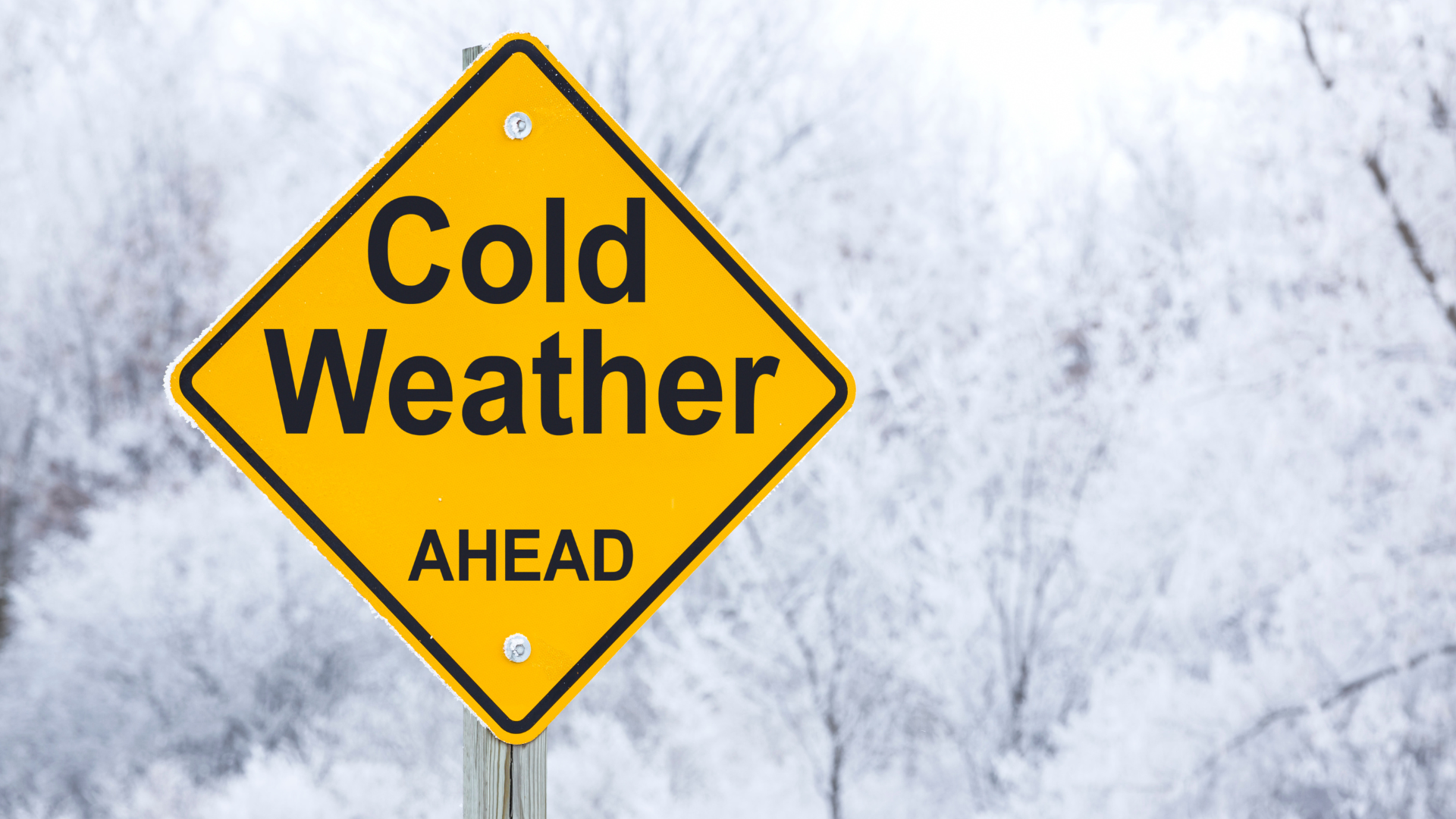
As temperatures drop, many people notice winter tooth sensitivity, especially patients undergoing orthodontic treatment. If cold air or chilled drinks cause a quick burst of discomfort in your teeth, you’re not imagining it. Seasonal changes can affect your smile, and braces or clear aligners can make those sensations more noticeable.
Here’s why cold weather sensitivity happens for orthodontic patients, what’s normal, and when it may be a sign to contact your orthodontist at Daia Orthodontics.
Why Teeth Become Sensitive in Winter
Just like most materials, your teeth respond to temperature changes. When exposed to cold air, enamel contracts slightly, stimulating the nerves inside your teeth.
Thin enamel or receding gums can make the sensation stronger. Patients without orthodontics may feel mild sensitivity, but for those with braces or Invisalign, this reaction can be amplified.
How Orthodontics Can Increase Winter Tooth Sensitivity
- Braces and Cold Weather: Continuous Pressure
Braces and cold weather can combine to heighten discomfort because teeth are constantly moving. You might notice:
- Quick zings of pain when stepping outside
- Sensitivity when breathing through your mouth
- A slight ache in recently adjusted teeth
This is normal and often temporary.
- Invisalign & Clear Aligners: Trapped Cold Air
If you wear Invisalign or clear aligners, removing them to sip a cold drink or stepping outside can expose teeth suddenly to temperature changes. This may cause:
- Tingling
- Sensitivity along biting surfaces
- Brief nerve “ping” sensations
Keeping your aligners in until your teeth adjust to the temperature can help.
- Dry Winter Air and Its Effect on Teeth and Braces
Winter air is dry, and indoor heating makes it worse. Dry mouth can lead to:
- More friction on brackets and wires
- Extra irritation on cheeks and gums
- Overall increased tooth sensitivity
Hydration is key in colder weather!
Other Common Causes of Winter Tooth Sensitivity
Even outside of braces or aligners, winter can highlight existing dental issues:
- Receding Gums: Cold air hitting exposed root surfaces increases sensitivity.
- Enamel Erosion from Winter Foods & Drinks: Sugary holiday treats, acidic foods, and winter beverages can wear down enamel.
- Teeth Grinding and Stress-Induced Sensitivity: Clenching or grinding, often worsened during holiday stress, can cause micro-fractures and nerve irritation.
How to Reduce Winter Tooth Sensitivity During Orthodontic Treatment
- Breathe Through Your Nose Outdoors
Cold air hitting your teeth directly is often the biggest trigger. A scarf or neck gaiter can also help. - Use Sensitivity Toothpaste for Orthodontic Patients
Brands like Sensodyne or Colgate Sensitive help strengthen tooth surfaces and soothe nerves. Use consistently, not just during flares. - Stay Hydrated to Combat Dry Mouth
Dry air = dry mouth = more irritation. Drink plenty of water, especially if you have braces. - Warm Your Drinks Carefully
Extreme temperature swings, ice-cold to steaming hot, stress enamel and increase sensitivity. - Use Fluoride Rinse or Gel for Stronger Enamel
Strengthens enamel and reduces nerve sensitivity over time.

When Winter Tooth Sensitivity Isn’t Normal: Signs to Contact Your Orthodontist
While some orthodontic sensitivity in cold weather is expected, contact Daia Orthodontics if you notice:
- Pain lasting more than a few seconds
- Sensitivity in only one tooth
- Lingering aches unrelated to cold
- A bracket or wire causing sharp pain
- Signs of gum recession or inflammation
These may indicate issues unrelated to winter weather, and we’re here to help.
Final Thoughts on Winter Tooth Sensitivity and Orthodontic Care
Winter tooth sensitivity is common, especially for patients wearing braces or aligners. Seasonal temperature changes combined with orthodontic tooth movement can create temporary discomfort, which is typically manageable.
If your sensitivity becomes persistent or interferes with daily life, contact Daia Orthodontics. Our team will evaluate your smile, ensure everything is progressing correctly, and give personalized strategies to keep your teeth comfortable all season long.