Updated: September 14, 2026
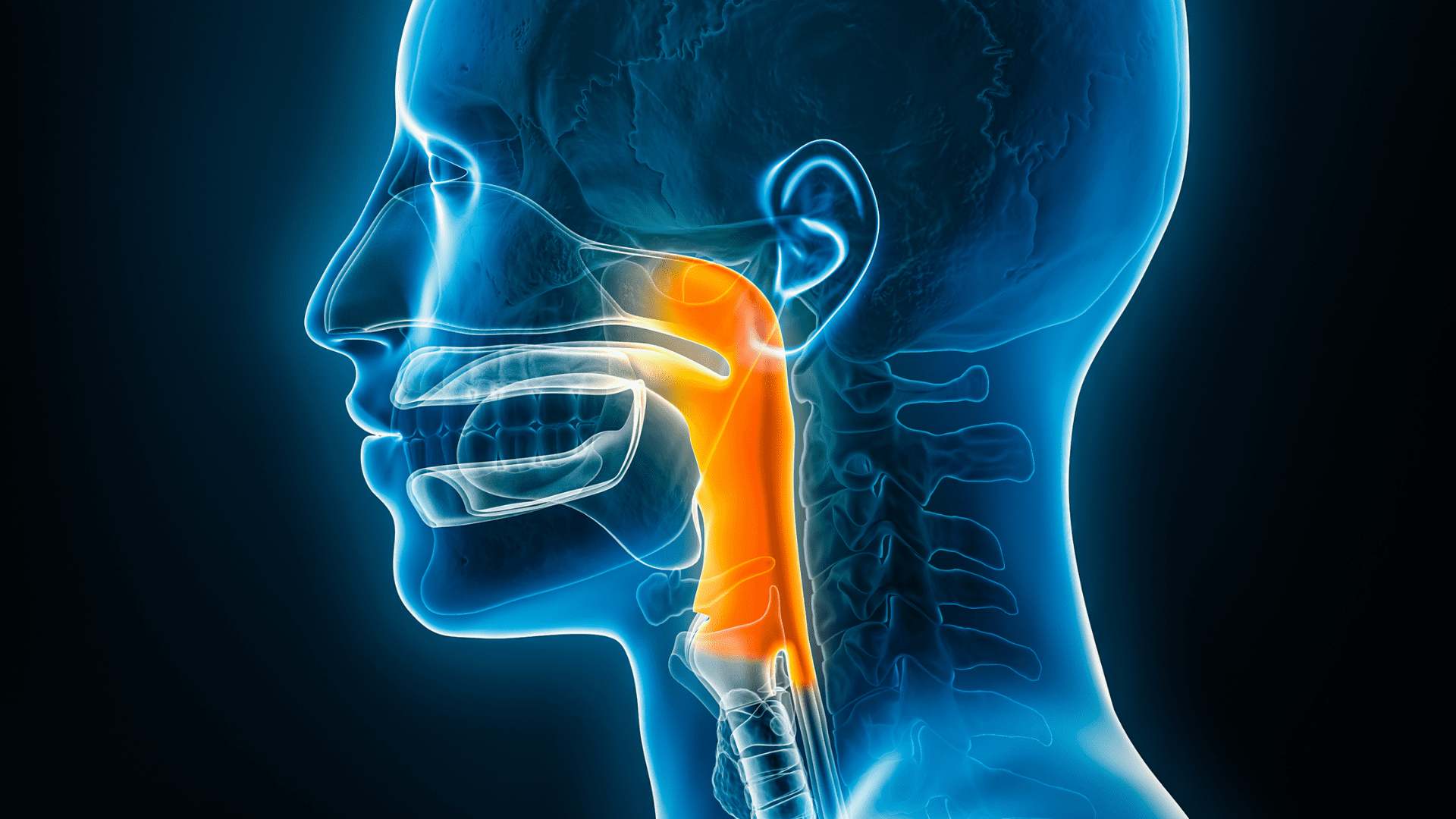
Airway health plays a critical role in overall well-being, yet it is often overlooked when addressing dental and orthodontic issues. Airway-focused orthodontics works on identifying and treating orthodontic and craniofacial problems that impact airways, so patients can breathe, sleep, and feel better. Below, we cover what airway-focused orthodontics is, what affects the airway, when is the best time to get an evaluation, and how an orthodontist can help optimize your airway.
What Is Airway-Focused Orthodontics?
Airway-focused orthodontics is a specialized approach to orthodontic care that focuses on improving the structure and function of the airway. This involves assessing and addressing issues with the nasal passages, throat, and other structures that impact breathing. By correcting underlying skeletal craniofacial or dental issues, airway-focused orthodontics can help improve and alleviate some conditions that involve mouth breathing, obstructed nasal breathing, snoring, obstructive sleep apnea (OSA), etc.
Traditionally orthodontics primarily targets tooth alignment, bite and smile aesthetics, airway-focused orthodontics also prioritizes breathing functionality and long-term health benefits, such as better sports performance, sleep, improved energy, and enhanced quality of life.
What Affects the Airway From an Orthodontics Perspective?
Several craniofacial factors that impact airway health are screened for by an airway focused orthodontist include:
- Skeletal and Dental Development: A narrow or small upper jaw (maxilla) and nasal bones can limit airflow through the nose. The position of both jaws, the bite, and the size of soft tissues like the tongue and surrounding muscles all matter as well. A retruded small lower jaw (mandible), a deep bite that reduces height of the face, or enlarged soft tissues each can contribute to airway obstruction. Proper jaw development, function and skeletal alignment are essential for a healthy airway.
- Mouth Breathing: Chronic mouth breathing can alter facial and jaw development, resulting in a recessed chin, long facial structure, or narrow dental arches.
- Tongue Position and Function: A tongue that rests improperly or lacks proper mobility and function can prevent natural palate expansion during growth and affect proper breathing habit.
- Obstructive Conditions: Enlarged tonsils or adenoids can physically block the airway, causing breathing problems, especially in children. This could cause sleep apnea, mouth breathing and several craniofacial developmental presentations.
- Finger Habits: Prolonged thumb sucking, nail biting, or pacifier use during early development can contribute to abnormal jaw and palate growth.
- Bruxism And Other Neuromuscular Issues: Conditions like bruxism (teeth grinding), nocturnal or diurnal, could be linked to parafunctional habits, medication, or airway obstruction.

When Should Someone Get Their Airway Examined By a Physician?
An airway evaluation should be considered if any of the following signs are present:
- In Children:
- Persistent mouth breathing
- Snoring or noisy breathing during sleep
- Difficulty focusing or symptoms resembling ADHD
- Speech difficulties or a high, narrow palate
- In Adults:
- Snoring or diagnosed sleep apnea
- Chronic fatigue or poor-quality sleep
- Jaw pain, teeth grinding, or TMJ disorders
- Recurring headaches or sinus issues
Early Intervention is critical, especially in children, as it allows orthodontists to guide growth during developmental stages when treatment is most effective. Many ENTs and Pediatricians work closely with an airway focused orthodontist to help resolve breathing issues and optimize the airways of their patients.
What Orthodontists Can Do to Improve the Airways
Orthodontists use a variety of treatments and strategies to improve airway health. These may include:
Orthodontic Procedures
- Palate Expansion: A narrow palate can commonly restrict the airway. Palatal expanders create more space in the upper jaw, which can improve nasal airflow and overall breathing.
- Non-Extraction Treatment (Braces or Aligners): Traditional orthodontic appliances can correct dental crowding or alignment issues that may be contributing to a restricted airway.
- Orthognathic Surgery: In some sleep apnea cases, can reposition the jaws to enhance airway size and function.
Functional Appliances
- Myofunctional Appliances: Early intervention myofunctional devices like the encourage proper tongue posture, nasal breathing, and correct jaw alignment. These are particularly effective in young children.
- Mandibular Advancement Devices (MADs): These functional appliances reposition the lower jaw forward, increasing airway space and may stimulate lower jaw growth in growing patients. Below is an example of a dorsal fin appliance.
Healthy Habits and Education
- Breathing Exercises: Orthodontists may recommend breathing retraining techniques, such as Buteyko breathing, to encourage nasal breathing and improve airflow.
- Tongue Exercises: Orofacial myofunctional therapy can strengthen tongue muscles and improve proper resting posture to optimize airway function.
Collaboration with Specialists
Orthodontists often work with pediatricians, ENTs, pulmonologists, sleep specialists and myofunctional therapists to address airway concerns comprehensively. This multidisciplinary approach ensures that both structural and functional issues are addressed.
The Long-Term Benefits of Airway Orthodontics
By addressing airway issues, patients can experience a wide range of benefits, including:
- Better sleep quality and reduced snoring
- Improved focus and cognitive function
- Enhanced sports and overall performance
- Enhanced facial and jaw development in children
- Reduced risk of chronic conditions linked to poor airway health, such as heart disease and diabetes
- Increased longevity, improved quality of life with enhanced energy and reduced fatigue
Airway-focused orthodontics goes beyond straightening teeth to optimize your overall health. Whether it means widening a narrow palate, correcting mouth breathing, or providing treatment options to sleep apnea, an orthodontist can help improve airway function for patients of all ages.
Our team at Daia Orthodontics will work together to create not just a beautiful smile, but a healthier, happier life in coordination with your dentist and physician.
Frequently Asked Questions About Airway Orthodontics
What is Airway-Focused Orthodontics?
Airway-focused orthodontics is an approach to orthodontic care focused on improving the structure and function of the airway, not just the alignment of the teeth. By correcting skeletal or dental issues, it can help with mouth breathing, snoring, and obstructive sleep apnea.
What Are the Signs of an Airway Problem?
In children, common signs include persistent mouth breathing, snoring, a high or narrow palate, and trouble focusing (in some instances ADHD-like symptoms). In adults, watch for snoring, chronic fatigue, jaw pain or grinding, and frequent headaches.
At What Age Should My Child Be Evaluated for Airway Issues?
The consensus of the medical community is that an orthodontic evaluation by age 7 is important to evaluate dental, craniofacial growth and development. Your doctor will observe growth and let you know if any treatment is needed and when it would be most effective.
Can Airway-Focused Orthodontics Help with Sleep Apnea?
In many cases, yes. Palate expansion, functional appliances, and mandibular advancement devices can widen the airway and improve breathing during sleep. A full evaluation and coordination with your physician can help determine the right approach for you.
How Does Palate Expansion Improve Breathing?
A narrow upper jaw limits nasal airflow. Widening the palate with an expander creates more room in the upper jaw and nasal passages, which can make breathing through the nose easier and resolve some airway obstruction and nasal allergy-like symptoms