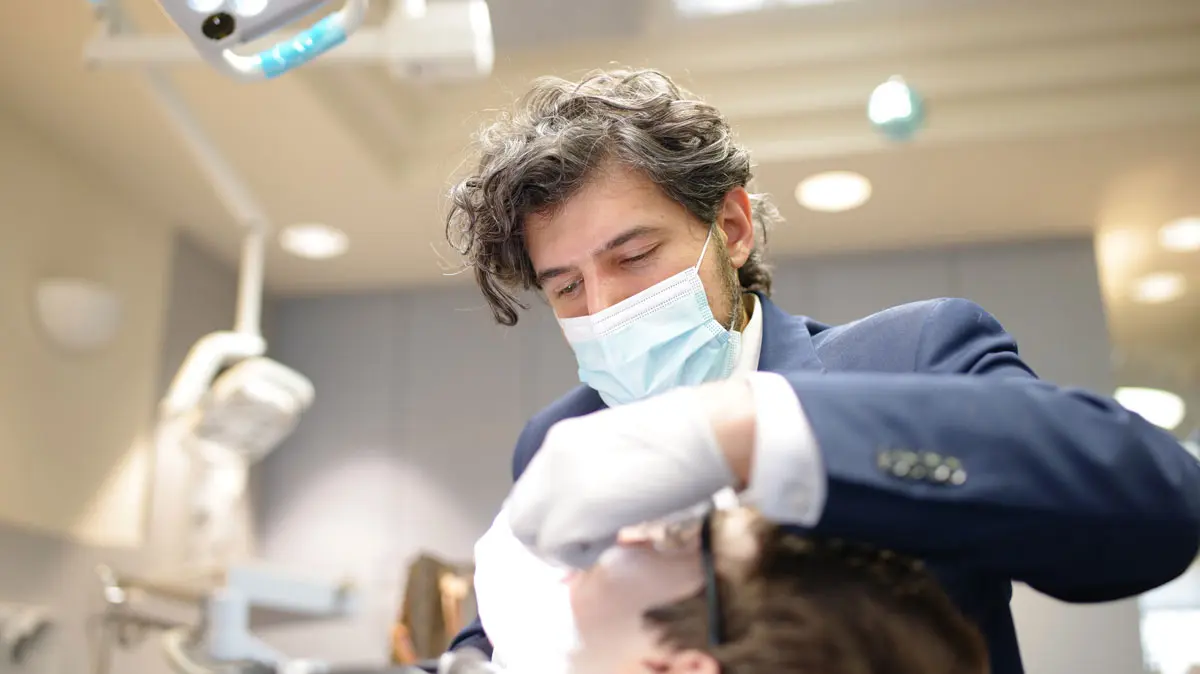
Every April, Oral Cancer Awareness Month serves as an important reminder of the role early detection plays in saving lives. While many people associate dental and orthodontic visits with straightening teeth or maintaining a bright smile, these routine appointments are also critical opportunities to screen for oral cancer and other serious conditions.
At Daia Orthodontics, patient care extends beyond aesthetics. We are committed to supporting your overall oral and systemic health. Understanding how regular visits contribute to early detection can empower you to take a more proactive role in your well-being.
Understanding Oral Cancer
Oral cancer refers to cancers that develop in the mouth or throat, including the lips, tongue, cheeks, floor of the mouth, hard and soft palate, sinuses, and pharynx. According to the Oral Cancer Foundation, tens of thousands of people are diagnosed each year in the United States alone, and the condition can be life-threatening if not detected early.
Common Risk Factors
While oral cancer can affect anyone, several factors increase risk:
- Tobacco use (smoking or smokeless)
- Excessive alcohol consumption
- Human papillomavirus (HPV), particularly HPV-16
- Prolonged sun exposure (linked to lip cancer)
- Age (higher risk after 40, though cases in younger individuals are rising)
- Family history of cancer
Warning Signs to Watch For
Early symptoms are often subtle and painless, which is why professional screenings are essential. Be mindful of:
- Persistent mouth sores that do not heal
- Red or white patches in the mouth
- Lumps, thickening, or rough spots
- Difficulty chewing, swallowing, or speaking
- Numbness in the tongue or other areas
- Chronic sore throat or hoarseness
If any of these symptoms persist for more than two weeks, it is important to seek evaluation promptly.
The Role of Dental Visits in Early Detection
Routine dental exams are one of the most effective tools for identifying oral cancer in its earliest and most treatable stages.
What Happens During an Oral Cancer Screening?
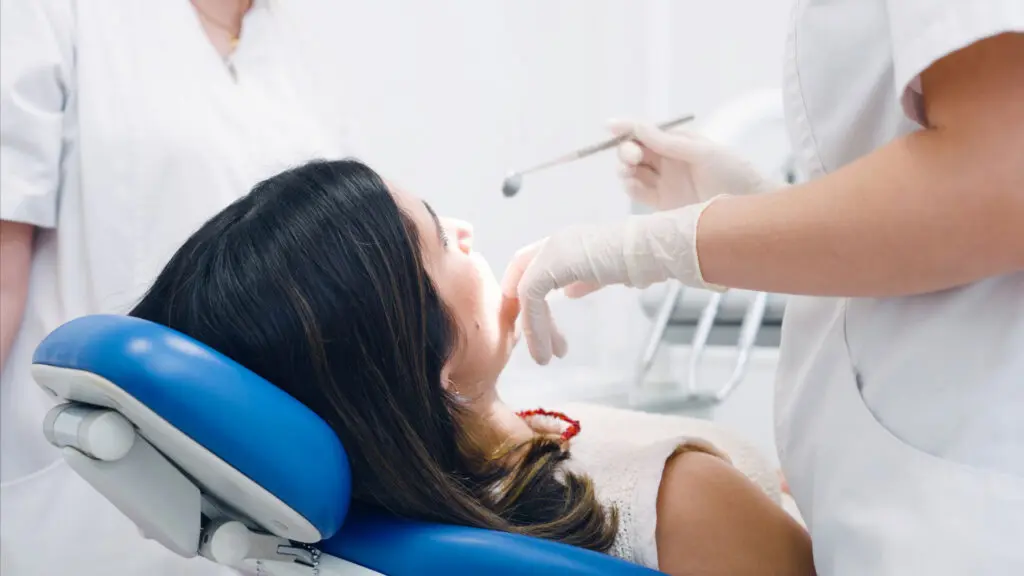
During a standard dental visit, your provider will:
- Examine the lips, tongue, gums, and cheeks
- Check the floor and roof of the mouth
- Feel for abnormalities in the jaw and neck
- Look for unusual lesions, discoloration, or tissue changes
These screenings are quick, non-invasive, and often performed as part of your regular check-up, yet they can make a life-saving difference.
Why Early Detection Matters
When oral cancer is diagnosed early, the survival rate can be significantly higher, often exceeding 80 to 90 percent. Unfortunately, many cases are detected in later stages, when treatment becomes more complex and outcomes less favorable.
Regular dental visits ensure that subtle changes are noticed before they progress.
How Orthodontic Visits Contribute to Oral Health Monitoring
Orthodontic care involves frequent, ongoing visits, often every 6 to 8 weeks, which creates additional opportunities for monitoring oral health.
Consistent Observation Over Time
Unlike infrequent check-ups, orthodontic treatment allows providers to observe your oral tissues regularly. This continuity makes it easier to detect:
- Changes in soft tissue appearance
- Irritation or lesions caused by appliances
- Unusual growths or abnormalities
Addressing Irritation vs. Identifying Concerns
Orthodontic appliances like braces or aligners can sometimes cause minor irritation. However, experienced orthodontic professionals can distinguish between normal irritation and signs that may warrant further evaluation.
A Collaborative Approach
Orthodontists often work closely with general dentists and specialists. If anything concerning is identified, you can be referred promptly for further testing or biopsy, ensuring timely care.
The Connection Between Oral Health and Overall Health
Your mouth is a gateway to your overall health. Conditions detected during dental or orthodontic visits can sometimes indicate broader health concerns, including systemic diseases.
Maintaining regular appointments helps:
- Reduce inflammation and infection risks
- Support immune system health
- Detect abnormalities beyond teeth alignment
Prevention and Proactive Care
While not all cases of oral cancer can be prevented, there are meaningful steps you can take to reduce your risk:
- Avoid tobacco products in all forms
- Limit alcohol consumption
- Use SPF lip balm when exposed to the sun
- Maintain a balanced diet rich in fruits and vegetables
- Practice good oral hygiene
- Stay up to date with HPV vaccinations when appropriate
- Schedule regular dental and orthodontic check-ups
Why Choose Daia Orthodontics
At Daia Orthodontics, patient care is comprehensive. While we specialize in creating confident, healthy smiles, we also prioritize early detection and preventive care.
Our approach includes:
- Thorough examinations at every visit
- Attention to soft tissue health, not just teeth alignment
- Collaboration with your dental care team
- A commitment to patient education and awareness
We believe that informed patients make healthier choices, and we are here to support you every step of the way.
Final Thoughts
Oral Cancer Awareness Month is more than a campaign. It is a call to action. Regular dental and orthodontic visits are not just about maintaining a beautiful smile. They are an essential part of protecting your health.
By prioritizing routine care, you give yourself the best chance for early detection, timely treatment, and peace of mind.
If it has been a while since your last visit, consider scheduling an appointment. Your smile and your health are worth it.