Parents ask this all the time: “Do we really need to start orthodontics this young or can we wait until all the adult teeth are in?” In 2026, the best answer is still: most kids don’t need
braces at age 7 (some do!)… but many kids do benefit from an early evaluation (and a smaller set benefit from early treatment).
This post breaks down which problems are truly worth treating early, and how to tell whether your child is the kind of patient who can benefit right now.
What You Should Know About Early Treatment in 2026
Get an Orthodontic Check-up by Age 7
The American Association of Orthodontists (AAO) recommends that children have an orthodontic check-up no later than age 7.
Why age 7? Because your child typically has enough adult teeth coming in (plus baby teeth still present) to let an orthodontist and orthodontic team spot developing orthodontic problems such as jaw growth issues, bite relationships, crowding patterns, and eruption problems, often before they become harder to correct.
Screening Doesn’t Automatically Mean Orthodontic Treatment
This is the part many parents don’t hear clearly: an early orthodontic check-up often results in “everything looks good” or “let’s monitor growth and eruption and address orthodontic problems later if needed.” The AAO’s own patient education materials explicitly note that an orthodontist may recommend monitoring, early treatment, or later treatment depending on what’s found.
Pediatric Dentistry Supports Early Diagnosis (And Well-Timed Intervention)
The American Academy of Pediatric Dentistry (AAPD) states that managing the developing bite is a key part of children’s oral health care, and that early diagnosis, and when appropriate, early treatment, can support stable, functional, aesthetic outcomes.
Based on the body of science in 2026 (research, trial and error… etc),
Dr. Daia recommends:
“Evaluate everyone early, observing growth and development. This way, we can identify problems early and have the luxury to pick the best time to correct them with the most efficient method”.
One of the most important aspects of your visit with an orthodontist and their team at an early age is to:
- Establish a baseline on where the jaws, teeth and bite are at that point in time.
- Understanding the growth projection and skeletal pattern.
- Identifying any imperfections or potential orthodontic problems that might arise.
- Diagnosing any current issues with the bite and smile.
- Observing any habits that are hindering proper growth, tooth and jaw alignment.
- Developing a plan to optimize the growth projection, dental and skeletal development for best overall health (airway, tongue posture, sleep health... etc).
What Is Early Orthodontic Treatment?
Early orthodontic treatment (often called
interceptive orthodontics or Phase 1 orthodontic treatment) usually happens while a child has baby teeth, often during the mixed dentition years.
Think of Phase 1 as guiding growth and creating a healthier setup for the adult teeth and bite, not necessarily doing “full braces” right away.
Common Phase 1 tools may include:
- Expanders (to widen a narrow upper jaw)
- Limited braces on a few teeth
- Space maintainers or space regaining appliances
- Habit appliances (thumb-sucking/tongue posture)
- Growth modification appliances in select cases
- Customized aligner technologies (Invisalign First)
When Early Treatment Is Worth It
Here are situations where early treatment is often the best timing, not because we love starting early, but because biology gives us an advantage while a child is growing and certain
orthodontic problems are more efficiently addressed.
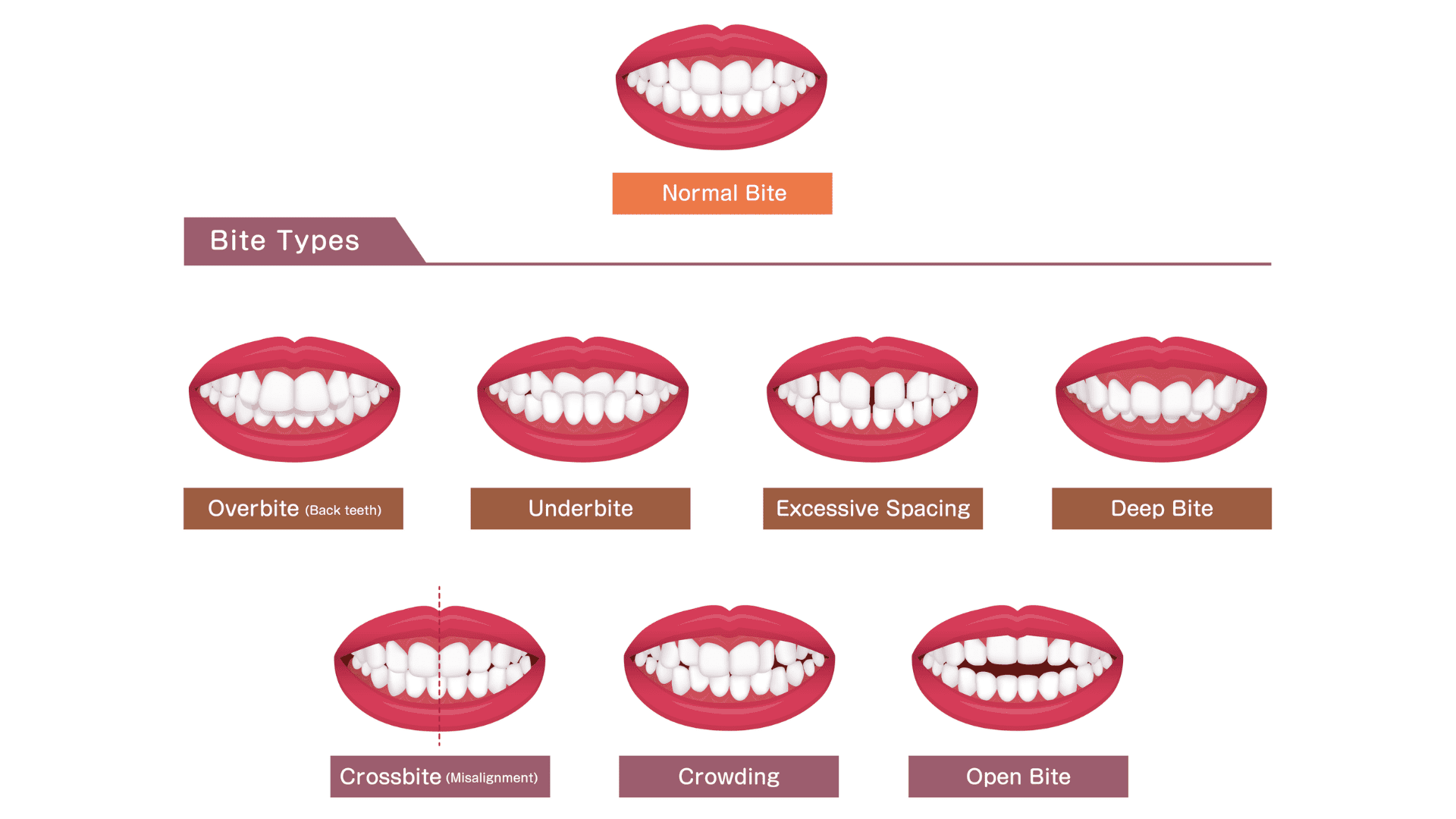 1) Crossbites (front or back teeth biting “inside”)
A crossbite can be more than cosmetic. In some kids, it’s associated with functional shifts of the jaw and asymmetric wear patterns.
Early expansion/crossbite correction in the mixed dentition is commonly recommended, and clinical research continues to support its effectiveness for correcting posterior crossbite.
Why it can be worth it:
Correcting a crossbite early may help normalize how the jaws fit together while growth is still adaptable.
2) Severe crowding (especially if adult teeth are “blocked out”)
Some crowding is normal during development. But severe crowding can change eruption paths and raise the likelihood of impacted or displaced teeth.
In these cases, early intervention may include:
- Creating room for erupting teeth
- Protecting space after early loss of baby teeth
- Guiding eruption patterns
AAPD best-practice guidance includes evaluation and management of arch length discrepancy and space issues as part of developing dentition care.
3) Eruption problems (missing, extra, or impacted teeth risk)
One major value of early orthodontic visits is catching “hidden” issues like missing teeth, supernumerary (extra) teeth, or eruption patterns that could lead to impactions. The AAO notes that evaluation can include checking what’s happening below the surface as teeth develop.
A classic example: palatally displaced (at-risk) upper canines. Research has shown that interceptive orthodontics steps like removing the baby canine at the right time can improve the chance the adult canine erupts normally in many cases.
4) Protruding front teeth (injury risk)
When upper front teeth stick out significantly, kids can be more prone to chipping or trauma in falls and sports. AAO materials list lowering the risk of trauma to protruded front teeth as a potential benefit of early treatment in appropriate cases.
Correcting the protruded upper front teeth early by promoting the growth of the lower jaw has many benefits for facial aesthetics and airway performance.
5) Harmful oral habits (thumb/finger sucking, tongue posture)
Not every poor oral habit needs an appliance. Sometimes education and time is enough. But when a habit is actively changing the bite (open bite, narrow arch), early help can protect the developing smile. AAO patient education lists correcting harmful oral habits as a possible benefit of early treatment for the right child. Read more about common bad oral habits and their fixes.
6) Developing jaw discrepancies (some Class II / Class III situations)
Growth-related concerns can be time-sensitive. AAPD guidance includes discussion of Class II and Class III considerations as part of managing the developing dentition and occlusion.
That said, jaw-growth treatment decisions are individualized, and the evidence-based recommendation varies by problem type and appliance. This is exactly where your orthodontist and their team’s evaluation matters.
When Early Treatment Might Not Be Worth It (And Monitoring Is Smarter)
This is where good orthodontics feels conservative: if early treatment won’t change the long-term outcome, we may recommend waiting and addressing concerns later with
comprehensive orthodontic treatment.
Examples where monitoring is often appropriate:
- Mild/moderate crowding that may self-resolve or be efficiently treated later
- Small spacing issues
- A bite that’s developing normally even if teeth look “not perfectly straight” at age 7
- Cases where cooperation demands would be high but benefit would be low
The Real Benefits Parents Should Care About
When early orthodontic treatment is needed based on the diagnosis, the benefits often look like this:
- Simpler orthodontic treatment later if needed (sometimes shorter, sometimes less complicated)
- Better permanent tooth eruption (less risk of impacted teeth or blocked-out teeth)
- Healthier bite relationships during growth (especially crossbites)
- Reduced trauma risk for prominent front teeth
- Peace of mind, because sometimes the best “treatment” is simply knowing you’re on the right timeline
FAQs Parents Ask at Daia Orthodontics
“If my child starts Phase 1, will they still need comprehensive orthodontic treatment later?”
Sometimes yes. Often interceptive orthodontics sets the stage and comprehensive orthodontic treatment fine-tunes alignment once more adult teeth are in. The goal isn’t always to “avoid braces”, it’s to avoid bigger problems and treat at the best time biologically.
“Can we just wait until all adult teeth come in?”
For many kids, waiting is totally fine as long as an orthodontist and team have confirmed nothing time-sensitive is developing. The AAO recommends that early check-up by age 7 specifically so we don’t miss issues that are easier to address earlier.
“What happens at an early orthodontic evaluation?”
Typically:
- Bite and jaw growth evaluation
- Check eruption projection and spacing requirement
- Identify parafunctional habits, postural issues, pain or headaches
- Educate the patient and parents about the child’s current dentition and bite
How to Know If Your Child Is “Ready for Treatment” Right Now
A child is more likely to be ready for Phase 1 when:
- There’s a crossbite or jaw shift
- Adult teeth are erupting into severe crowding
- Front teeth protrude significantly
- A habit is actively changing the bite
- There are eruption red flags (blocked-out/impacted teeth risk)
- The orthodontist and team see a growth-related concern
And just as important:
- Your child can tolerate visits and basic instructions
- You can support consistent appliance wear if needed
AAPD specifically notes that factors like patient maturity, habits, parental support, and timing influence success.
The Takeaway
Early orthodontic evaluation is absolutely important for every child. The 2026 “guidelines” aren’t about starting every child’s orthodontic treatment early. They’re about evaluating early (by age 7) so we can make an informed decision on either to:
- Confidently monitor growth, or
- Intervene orthodontically when early treatment can make major strides towards proper jaw development and minimize future problems
Ready to Find Out What Your Child Actually Needs?
At
Daia Orthodontics, Dr. Daia and our orthodontic team will clearly explain which category your child is in and whether any orthodontic problems require treatment now or monitoring over time:
- No treatment needed
- Monitor and recheck
- Phase 1 now (and why)
- Plan for Phase 2 later (with the right timing)
If your child is around age 7 (or you’ve noticed crowding, a crossbite, protruding teeth, or a jaw shift),
schedule an orthodontic evaluation and get a straightforward plan! No pressure, just clarity.