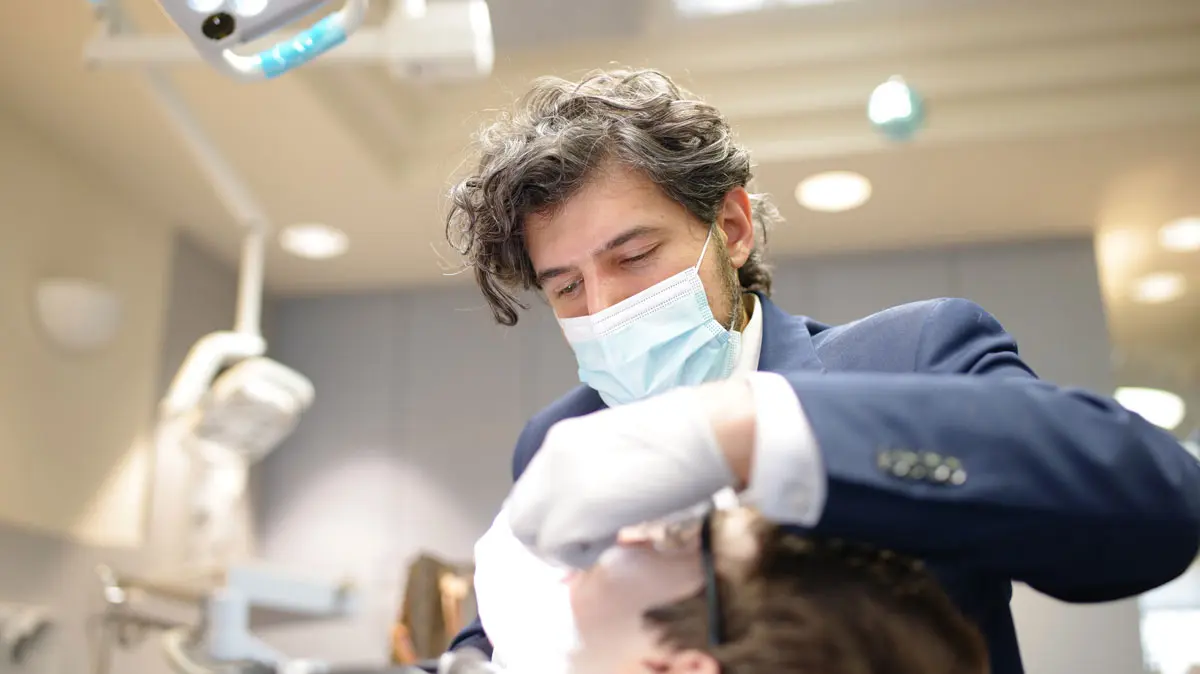
When you think about protecting your teeth, the first things to come to mind are probably brushing, flossing, and regular checkups, not sleep. And yet, the quality of your rest shapes your oral health every night. And conversely, your oral health also affects your sleep.
Sleep and oral health are closely linked. Poor sleep can raise your risk of gum disease, cavities, and tooth grinding, while an unbalanced bite or a narrow airway can disrupt your sleep quality. For a lot of patients, both problems trace back to how the jaws and airway are built, and that is where orthodontics comes in. Here is what the connection looks like and what you can do about it.
How Are Sleep and Oral Health Connected?
While you rest, your body repairs tissue, settles inflammation, and keeps bacteria in check. Your teeth and gums benefit from that nightly maintenance too. When sleep is short or broken, that protection weakens, and your mouth feels the effects.
A National Health and Nutrition Examination Survey (NHANES) of 3,624 U.S. adults between 2013 and 2014 concluded that individuals who sleep >7 hours/night with no trouble sleeping are 40% less likely to have severe periodontal (gum) disease. Many more studies support these findings. These are associations rather than proof that one causes the other, but the pattern is consistent enough that we factor sleep into how we look at a patient’s oral health.
What Happens in Your Mouth While You Sleep?
Your mouth keeps working overnight, with a few important changes.
Saliva Production Slows
Saliva is your mouth’s built-in rinse. It washes away food and bacteria, neutralizes acid, and helps keep enamel strong. Production naturally drops while you sleep, which is why so many people wake up with that dry, sticky feeling.
Less saliva means less defense. Acids sit on the teeth longer, bacteria multiply, and the risk of cavities and gum irritation climbs. Breathing through your mouth makes the dryness worse, and you often will not notice the slow damage until it turns up at a cleaning.
Your Body Repairs and Recovers
Sleep is when gum tissue heals and your immune system holds oral bacteria back. Cut that recovery short and your gums bounce back more slowly from the plaque and bacteria they face all day. Over time, that can show up as puffy or bleeding gums and slower healing.
How Poor Sleep Affects Your Teeth and Gums
Three problems come up most often with ongoing poor sleep:
- A higher risk of gum disease. Rest keeps inflammation down and your immune system steady, so poor sleep tips the odds toward irritated, inflamed gums that can worsen if left alone.
- More cavities and enamel wear. Low overnight saliva leaves enamel exposed to acid, and skipping brushing before bed lets plaque build up.
- Teeth grinding and jaw strain. Broken sleep tends to worsen nighttime clenching and grinding, known as nocturnal bruxism, which wears down enamel and stresses the jaw joints (TMJ). Morning headaches and a sore jaw are common signs. You can read more in our guide to TMD, TMJ pain, and orofacial pain.
How Your Bite and Jaw Can Disrupt Your Sleep
The relationship between sleep and your oral health also works the other way around. Dental and skeletal issues can interfere with sleep just as easily as poor sleep harms your mouth, and the structure of your jaws often sits at the center of it.
When the upper jaw is narrow, the bite is too deep or the lower jaw sits too far back, there is less room for the tongue and less open space in the airway. That can lead to mouth breathing, snoring, and interrupted breathing at night. A misaligned bite also encourages grinding, which feeds back into jaw pain and excessive tooth wear.
This is why we look at more than tooth position. Guiding how the jaws grow and fit together can open the airway and ease the strain that keeps people from resting well. Our blog on functional orthodontics explains how treatment can address the jaws, muscles, and airway together rather than the teeth alone.
Snoring, Sleep Apnea, and the Orthodontic Solution
Loud, regular snoring is worth paying attention to. It can be a sign of obstructive sleep apnea, where the airway repeatedly collapses or closes and breathing pauses during sleep. Apnic episodes disrupt your restful sleep, puts stress on your heart, and may exacerbate nocturnal bruxism.
During an exam, a few clues can point toward an airway problem:
- Excessive tooth wear from grinding
- Scalloped edges along the sides of the tongue
- Frequent dry mouth
- Obstructed nasal breathing
- Snoring, waking up tired, and feeling tired or sleepy throughout the day.
For many cases, orthodontic and craniofacial orthopedic treatment can make all the difference. A maxillary skeletal expander can widen a narrow upper jaw and create more room for the nasal airway, especially in growing patients. For many adults, a custom oral orthopedic appliance that holds the lower jaw slightly forward (mandibular advancement) keeps the airway open at night and offers a comfortable alternative to a CPAP machine. The studies have shown that it is equally effective to a CPAP machine in mild to moderate sleep apnea cases and can have significant efficacy in severe cases. Sleep apnea diagnosis is strictly done by a physician, and the treatment is done in coordination with your physician as well. Learn more on our sleep apnea and maxillary skeletal expander pages, or read how these pieces fit together in our post on orthodontics, orthognathics, and sleep apnea.
Habits That Protect Your Sleep and Your Smile
Sleep hygene includes small, steady changes go a long way for both your rest oral and overall health:
- Keep a consistent sleep schedule. Regular bed and wake times support the body processes that keep saliva flowing and gums healthy.
- Brush and floss before bed, every night. Clearing plaque before sleep gives bacteria less to work with during the low-saliva hours.
- Stay hydrated and manage dry mouth. Sip water through the day, and let us know if you often wake up parched.
- Pay attention to snoring and mouth breathing. If you or a partner notices loud snoring or gasping at night, mention it at your next visit.
- Wear a night guard if you grind. A custom guard protects enamel and eases jaw strain far better than a store-bought version.
- Keep up with regular checkups. Routine visits catch grinding, dry mouth, and bite changes early, often before you feel anything.
When to Talk to Your Physician and Orthodontist About Sleep
It may be time for an evaluation if you notice any of these:
- Loud, ongoing snoring or gasping during sleep
- Waking up with a dry mouth or a sore, tired jaw
- Morning headaches or TMJ or jaw soreness
- Feeling worn out even after a full night in bed
- Teeth that look flat or worn, or a bite that feels off
For children, an early orthodontic check around age 7 gives us the chance to spot a narrow arch or developing airway issue while the jaws are still growing and easiest to correct.
Curious How Your Sleep Impacts Your Oral Health?
Daia Orthodontics & TMJ Orthopedics serves your local community. Dr. Daia holds diplomate status with both the American Board of Orthodontics and the American Board of Orofacial Pain, along with fellowship status with the Royal College of Dentists of Canada in Orthodontics, so your orthodontic evaluation would also focus on evaluating sleep, bite, and airway concerns related to your craniofacial and orthopedic function are all evaluated under one roof.
If you’re experiencing sleep problems, the answer may lie in your bite and airway. Schedule a consultation with Daia Orthodontics & TMJ Orthopedics, or call 248-652-1244, and take the first step toward better rest and a healthier smile.
Frequently Asked Questions About Sleep and Oral Health
Can poor sleep cause dental problems?
Poor sleep lowers saliva flow, slows healing, and raises inflammation, all of which can increase your risk of cavities and gum disease. Research has linked short sleep with higher rates of gum problems, so consistent rest is part of protecting your smile.
Why is my mouth so dry when I wake up?
Saliva production naturally drops overnight, and mouth breathing dries things out further. Occasional dryness may be normal, but frequent morning dry mouth can raise your risk of cavities and gum irritation, so it is worth mentioning at your next visit.
How is teeth grinding related to sleep?
Grinding and clenching, called bruxism, often happen during sleep and get worse with stress and broken rest. Over time, grinding wears down enamel and can lead to jaw pain, headaches, and TMJ problems. A custom night guard helps protect your teeth.
Can orthodontics help with snoring or sleep apnea?
In many cases, yes. Widening a narrow jaw with an expander or repositioning the lower jaw with a custom oral appliance can open the airway and improve breathing at night. An evaluation with an airway-focused orthodontist is the best way to know whether it fits your situation. Working with your physician is necessary to diagnose and manage airway and sleep disorders.
At what age should my child be evaluated by an orthodontist to screen for developmental, airway or bite issues?
By age 7, the jaws are still developing, which makes it easier to modulate growth, correct craniofacial skeletal discrepancies, consider optimizing the airway, and address habits.