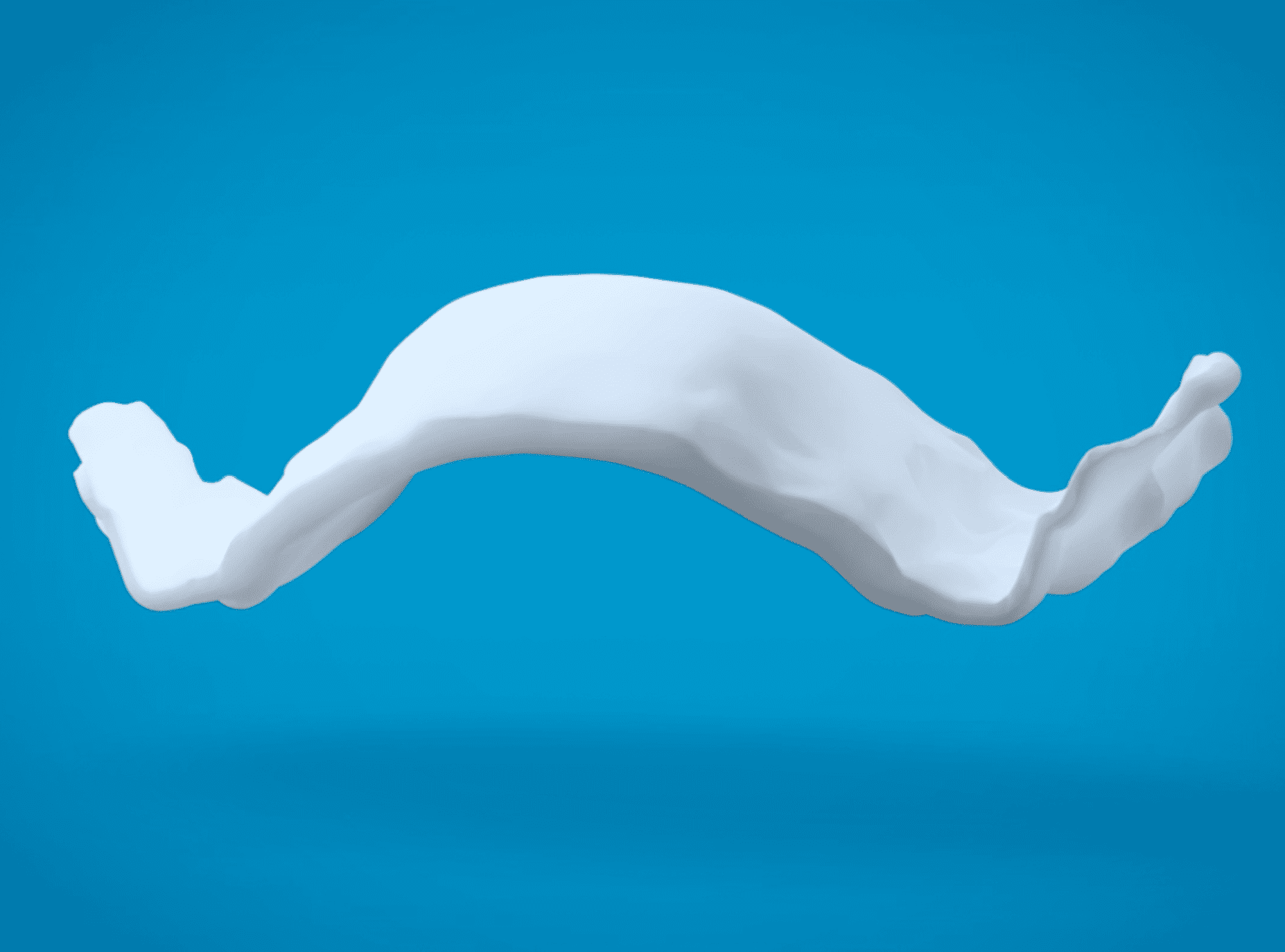
Palatal Expanders and Invisalign Expanders
 A palatal expander is an orthodontic device used to widen the upper jaw (maxilla) to correct crossbites, crowding, and other alignment issues. It's commonly used in children and teens while their bones are still developing, but with proper planning, it can benefit some adults too.
Traditionally, expanders were made using plaster molds, metal frameworks, and a fair bit of manual labor. While effective, this process left room for error and often required multiple fittings or adjustments.
In addition to conventional expanders, there’s now a clear, removable option powered by the same innovative technology behind Invisalign aligners. Invisalign expanders, such as Invisalign First or the Mandibular Advancement feature, use 3D printed custom-fit trays. This gradually and gently expands the arch, without the bulk of traditional hardware.
These digital expanders are especially effective for growing patients and offer the convenience of removability, better hygiene, and improved comfort, making them an ideal option for families seeking a more modern approach to orthodontic treatment.
A palatal expander is an orthodontic device used to widen the upper jaw (maxilla) to correct crossbites, crowding, and other alignment issues. It's commonly used in children and teens while their bones are still developing, but with proper planning, it can benefit some adults too.
Traditionally, expanders were made using plaster molds, metal frameworks, and a fair bit of manual labor. While effective, this process left room for error and often required multiple fittings or adjustments.
In addition to conventional expanders, there’s now a clear, removable option powered by the same innovative technology behind Invisalign aligners. Invisalign expanders, such as Invisalign First or the Mandibular Advancement feature, use 3D printed custom-fit trays. This gradually and gently expands the arch, without the bulk of traditional hardware.
These digital expanders are especially effective for growing patients and offer the convenience of removability, better hygiene, and improved comfort, making them an ideal option for families seeking a more modern approach to orthodontic treatment.

The 3D Printing Advantage
Whether you're using traditional or Invisalign-style expanders, 3D printing transforms the experience from start to finish:1. Unmatched Precision
Digital scans and CAD (computer-aided design) software allow orthodontists to design expanders with pinpoint accuracy. This precision leads to better-fitting appliances and, ultimately, more predictable and efficient treatment outcomes.
2. Enhanced Comfort
Instead of waiting days—or even weeks—for a lab to mold and manufacture a custom expander, 3D printing can dramatically cut production time. This means patients can begin treatment sooner and progress more quickly.
3. Unmatched Precision
Because 3D printed expanders, especially Invisalign expanders, are custom-made to fit each patient’s unique anatomy, they tend to be more comfortable. Fewer adjustments are needed, and the likelihood of irritation or sore spots is reduced.
4. Improved Hygiene
Digital models eliminate the need for goopy impression materials that many patients find unpleasant. The scanning process is cleaner, quicker, and more patient friendly. Plus, removable expanders make brushing and flossing easier during treatment.
5. Eco-Friendly and Cost-Effective
3D printing reduces material waste and can streamline in-house production. For practices, this leads to more sustainable processes and, over time, lower cost savings that can be passed on to patients.